All-Inclusive Waterbody Management: Top-Notch Maintenance Services
Complete pond and lake management is vital for sustaining the health of aquatic ecosystems. Quality cleaning services play a significant role in this process. They supply essential solutions such as invasive species management and water quality monitoring. Sustainable practices are increasingly important in these efforts. As communities engage in preserving their water resources, questions surface about the best methods and services available. What strategies actually make a difference in protecting these important environments?
Why Proper Pond and Lake Management Matters
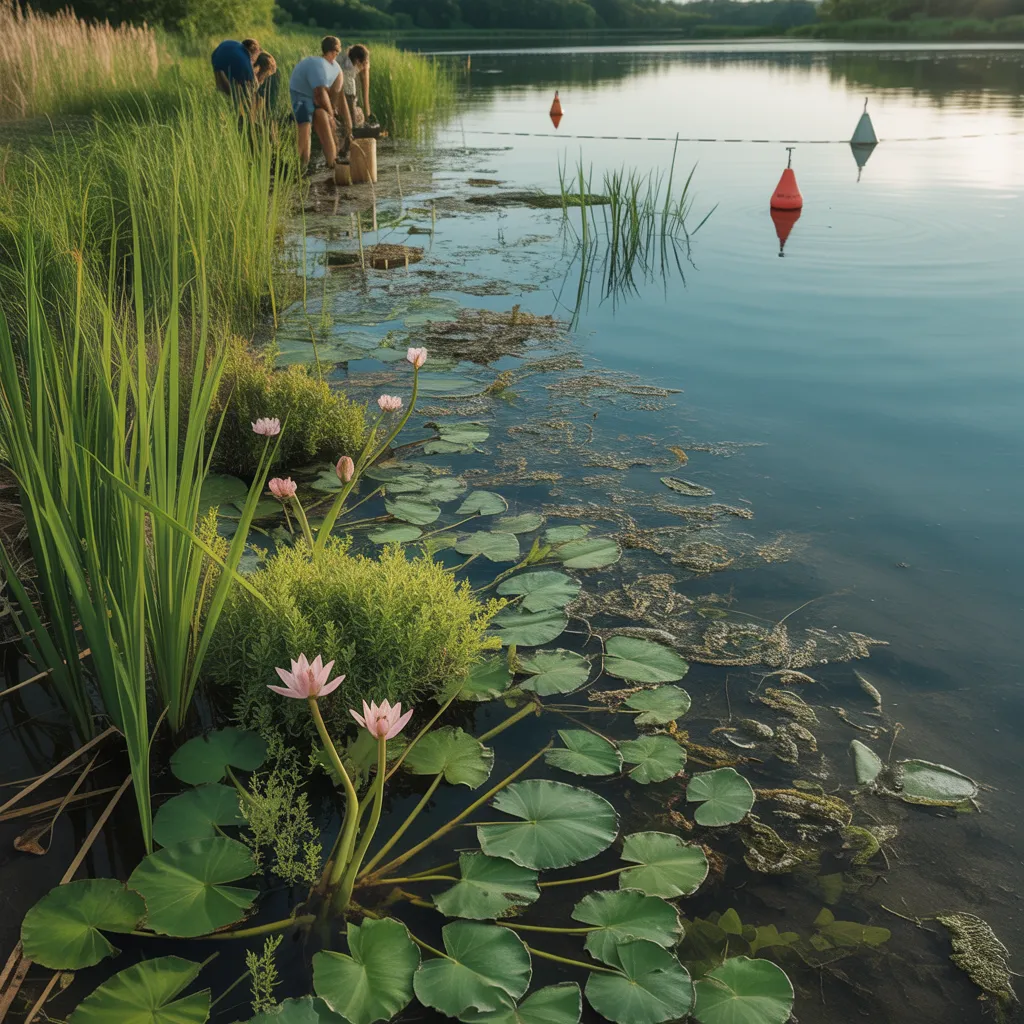
Though commonly ignored, proper pond and lake management performs a crucial part in maintaining ecological balance and protecting the health of aquatic ecosystems. Sound management practices avoid the overgrowth of invasive species, which can disrupt native habitats and decrease biodiversity. Routine monitoring of water quality enables the discovery of issues such as nutrient overloads or pollution, permitting timely interventions to shield aquatic life.
Additionally, effective management enables recreational activities, boosts aesthetic value, and preserves water resources for local communities. It also encourages the natural processes essential for nutrient cycling and habitat sustainability. By employing strategies for example controlled fishing, vegetation management, and erosion control, stakeholders can sustain the ecological integrity of these water bodies. In conclusion, the significance of effective pond and lake management is paramount, as it serves not only the environment but also the economic and social needs of local populations.
Vital Offerings for Efficient Pond and Lake Maintenance
Maintaining the environmental well-being of ponds and lakes necessitates extensive cleaning services that tackle multiple challenges encountered in these water bodies. Effective cleaning services commence with an assessment of the unique demands of the ecosystem, enabling personalized solutions. Regular removal of invasive plant species is essential, as these can disturb the natural balance and hinder aquatic life. Furthermore, sediment removal is necessary to maintain water clarity and quality, avoiding excessive nutrient buildup that can lead to harmful algal blooms.
Water quality assessment is an additional critical service, verifying that the chemical and biological indicators stay within safe limits for both wildlife and human recreation. In addition, the management of shoreline erosion through vegetative buffers fosters stability and decreases pollution runoff. By executing these important services, pond and lake cleaning not only enhances aesthetic appeal but also supports a healthy habitat for diverse aquatic organisms, eventually benefiting the entire ecosystem.
Strategies for Clearing Away Unwanted Materials
Successful strategies for extracting debris and contaminants from aquatic bodies play a vital role in maintaining water quality and ecosystem health. Among the most frequently-employed methods are mechanical removal and chemical treatments. Mechanical removal involves implementing specialized equipment, such as skimmers and dredgers, to physically eliminate debris like leaves, algae, and sediment from the water. This approach limits disruption to the aquatic environment while effectively lowering pollutant levels.
Chemical treatments, such as algaecides and herbicides, can eliminate specific contaminants but must be used carefully to prevent harming start now non-target species. Bio-based methods, such as introducing beneficial microorganisms, offer an environmentally friendly alternative for decomposing organic waste and pollutants.
Regular monitoring of water quality can direct the implementation of these methods, ensuring excellent results. By utilizing a combination of these techniques, pond and lake managers can greatly improve the health and sustainability of aquatic ecosystems.
Proven Methods for Addressing Invasive Species
Invasive species present substantial threats to the health of ponds and lakes, often outcompeting native flora and fauna for resources. To manage these invaders effectively, a combination of strategies is essential. Initially, early detection and rapid response are critical; monitoring programs can identify invasive species before they establish significant populations. Additionally, manual removal methods, such as hand-pulling or mechanical harvesting, can be effective for smaller infestations. Lastly, chemical treatments may be applied judiciously, ensuring that they do not adversely affect native species or water quality. Furthermore, public education and community involvement can raise awareness about preventing the introduction of invasive species. Furthermore, restoring native plant communities helps to create a resilient ecosystem capable of outcompeting invasive species. By implementing these strategies, pond and lake managers can effectively reduce the impact of invasive species while promoting the overall health of aquatic environments.
Improving Water Quality for Wildlife
While the health of aquatic ecosystems is crucial for supporting wide-ranging wildlife, improving water quality remains a primary challenge for pond and lake managers. High nutrient levels, often stemming from runoff, can cause harmful algal blooms that diminish oxygen and endanger aquatic life. Successful management practices concentrate on reducing these nutrient inputs through buffer zones and sediment control.
Moreover, sustaining proper pH levels and temperature is important for the survival of sensitive species. Managers often observe these parameters closely to maintain a balanced ecosystem. The introduction of native plant species can boost water filtration and offer habitats for fish and invertebrates, thereby supporting biodiversity.
Routine evaluations and modifications to management strategies are essential, as conditions can alter swiftly. Finally, the commitment to enhancing water quality not only helps wildlife but also elevates the recreational value of aquatic environments for the neighboring residents.
How to Clean Ponds and Lakes Sustainably
Maintaining lakes and ponds with sustainability in mind requires prioritizing organic approaches, green equipment, and preventive maintenance practices. Such methods not only safeguard aquatic ecosystems but also enhance overall water quality. Adopting these approaches can create more robust habitats for wildlife and a better balanced environment.
Natural Cleaning Methods
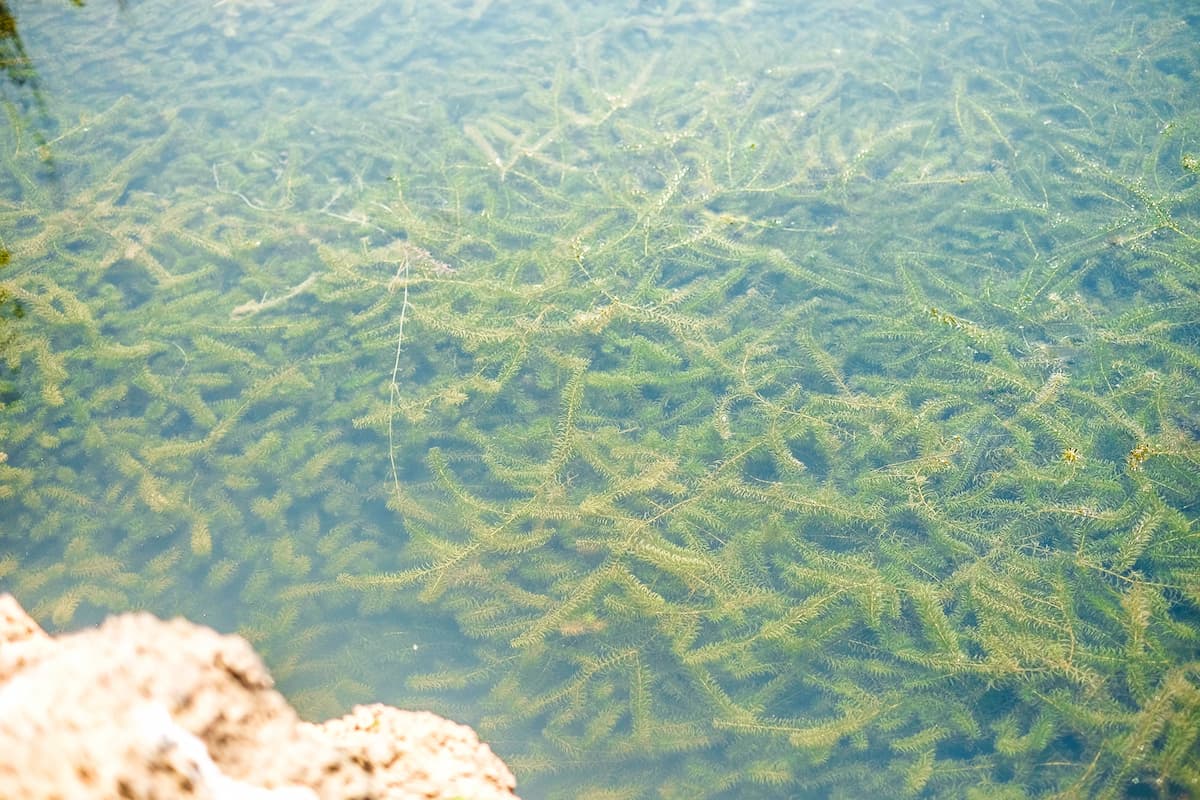
Sustainable pond and lake management increasingly emphasizes natural cleaning methods, which harness the power of ecosystems to reinstate water quality without harmful chemicals. These approaches include the introduction of beneficial bacteria and enzymes that break down organic matter, therefore promoting a balanced ecosystem. Aquatic plants serve a vital function by absorbing excess nutrients, which helps control algae growth. Additionally, utilizing natural predators, such as fish species that consume unwanted pests, can maintain a healthy aquatic environment. Regularly aerating the water improves oxygen levels, enabling the breakdown of pollutants. By incorporating these natural techniques, water bodies can reach improved clarity and health while conserving the delicate balance of their ecosystems, ultimately producing sustainable and effective management practices.
Environmentally Friendly Tool Choices
Natural cleaning strategies present a solid foundation for sustaining healthy aquatic ecosystems, but the tools and equipment applied in the process also serve a vital role. Sustainable equipment options are necessary for sustainable pond and lake management. For illustration, solar-powered aerators enhance oxygen levels without the carbon footprint associated with traditional models. Eco-friendly cleaning agents can successfully remove algae and debris while limiting harm to wildlife. Furthermore, manual tools like rakes and nets decrease reliance on chemical treatments. Employing these eco-friendly options not only guarantees cleaner water but also promotes a balanced ecosystem. By adopting sustainable equipment, pond and lake managers can effectively address cleaning needs while prioritizing environmental health and conservation.
Preventive Maintenance Practices
Although preserving clean and healthy aquatic settings can be difficult, adopting preventive maintenance practices ensures long-term sustainability for ponds and lakes. Systematic tracking of water quality, including pH and nutrient levels, assists in recognizing potential issues before they escalate. Implementing a routine schedule for debris removal and vegetation management decreases the buildup of organic matter, encouraging better water circulation. Additionally, applying eco-friendly techniques such as bioengineering or natural filtration systems promotes a balanced ecosystem. Training local communities about responsible practices, such as decreasing chemical runoff and proper waste disposal, further supports these efforts. By making a priority of preventive maintenance, pond and lake managers can successfully improve water quality, protect biodiversity, and make certain these essential resources remain healthy for future generations.
Picking the Top Pond and Lake Maintenance Service
How can one guarantee they select the best pond and lake cleaning service? The key lies in conducting thorough research. Potential customers ought to begin by requesting referrals from local environmental organizations or community residents with expertise in comparable services. Assessing a provider's qualifications, such as licenses and certifications, ensures compliance with industry standards.
Next, consumers should inquire about the cleaning approaches used, stressing environmentally friendly practices. A reliable service will furnish detailed information about their approaches and equipment. In addition, evaluating customer testimonials and testimonials can deliver perspective into dependability and service quality.
In conclusion, getting multiple quotes permits comparisons not only in pricing but also in the scope of services available. By implementing these steps, clients can make educated decisions, making certain they pick a cleaning service that meets their individual needs while encouraging the health and sustainability of their aquatic environment.
Frequently Asked Questions
What Is the Recommended Frequency for Cleaning My Pond or Lake?
Ponds and lakes require cleaning at least once annually, with spring or fall being the optimal times. Regular maintenance, including observing water conditions and eliminating debris, helps improve ecosystem health and inhibit the proliferation of unwanted plant species.
What Permits Are Required for Lake and Pond Maintenance Work?
The needed permits for pond and lake cleaning commonly include environmental impact assessments, water use permits, and at times jurisdiction-specific licenses. Engaging with local authorities ensures compliance with requirements governing aquatic management activities.
Should You Consider Seasonal Changes for Cleaning Services?
Indeed, timing-based factors in cleaning services are important. Spring and autumn commonly demand more attention owing to increased debris and algae growth, while winter might call for distinct techniques to guarantee water quality and ecosystem health.
Can I Handle Pond or Lake Cleaning Myself?
Undertaking pond or lake cleaning independently is feasible, but it requires adequate knowledge, equipment, and safety measures. Hazards include faulty procedures, risk of injuring wildlife, and inadequate cleaning results, which may necessitate professional assistance afterward.
What Costs Come With Professional Cleaning Services?
Expert cleaning solutions for ponds and lakes usually encompass costs associated with labor, equipment rental, and materials. Additional expenses may arise from permits, disposal fees, and ongoing maintenance, depending on the project's size and intricacy.